


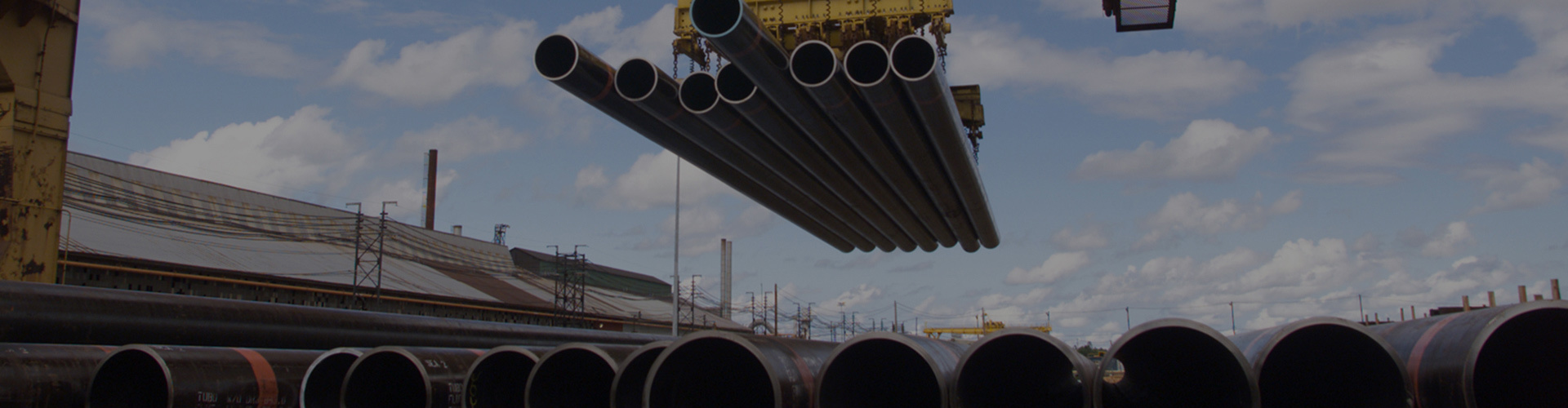

Anti-corrosion pipe
Category:
Product Specifications
|
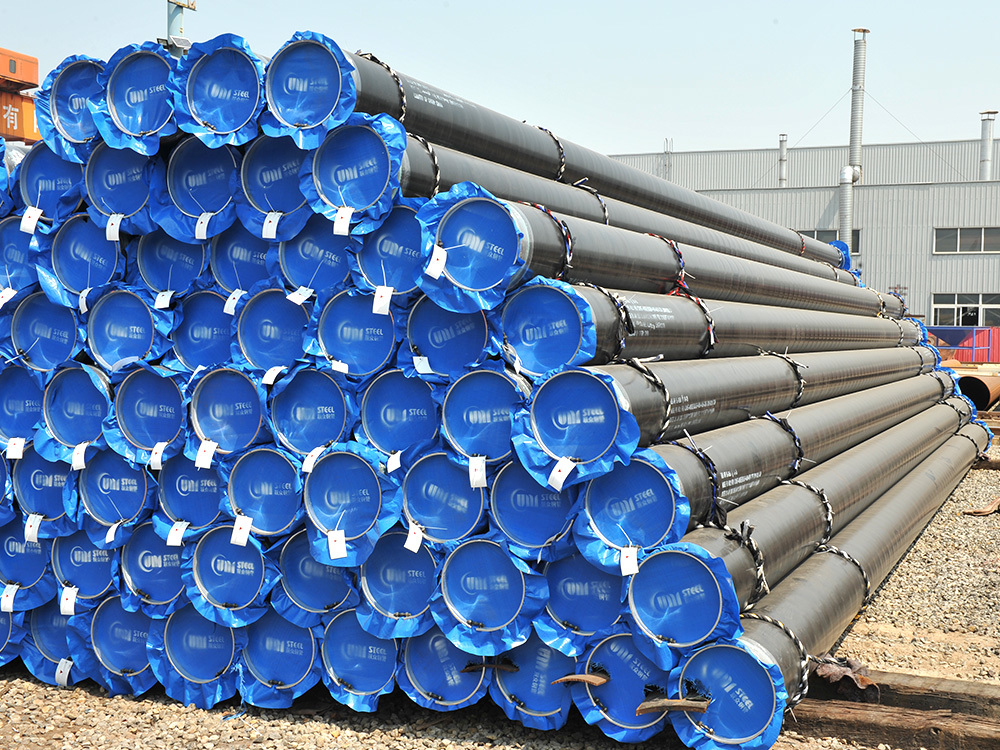
• 2. three-layer anti-corrosion pipe (Implementation of standard GB-T23257-2017 standard) 2. three-layer polyethylene (PE) anti-corrosion buried pipeline is used to transport water, oil, gas and other media, the working temperature is 50 ℃-70 ℃, which has good anti-corrosion performance, low water absorption, high mechanical strength and other properties. |
|
• Polyethylene external anti-corrosion pipe (Implementation of DIN30670-1/-2-2024 standard) Three PE anti-corrosion buried pipelines are used to transport water, oil, gas and other media. The working temperature is 50 ℃-70 ℃. It has good anti-corrosion performance, low water absorption and high mechanical strength. |
|
• Double fusion bonded epoxy powder outer coating (Perform Q/CNPC38-2002 standard) The double-layer fusion bonded epoxy powder coating anti-corrosion steel pipe is suitable for transporting oil, natural gas, water and other media, and the working temperature is -30 ℃-100 ℃. The coating has the characteristics of simple coating operation, no pollution, good impact resistance and bending performance of the coating, and high temperature resistance. It is widely used at home and abroad. |
|
• Fusion bonded epoxy powder coating (Implementation of SY/T0442-2018 standards) The fusion bonded epoxy powder inner coating anti-corrosion steel pipe is suitable for transporting water, natural gas and other media, the working temperature is -30 ℃-100 ℃, which reduces the secondary pollution of the transmission medium and prolongs the service life of the steel pipeline. |
|
• Epoxy coal tar anticorrosive pipe (Implementation of SY/T0447-2014 standards) Epoxy coal tar pitch anti-corrosion steel pipe is suitable for transporting water, oil, natural gas and other media, the temperature of the transmission medium does not exceed 110 ℃, with anti-corrosion function. |
Quality Control Procedure
Contract Review
For products with high quality level or special requirements of customers, the Marketing Department shall organize relevant personnel to fully review these requirements before signing the contract to ensure that customer requirements can be met. When necessary, the company's technical staff will explain to the customer and give professional advice.
Incoming inspection
For incoming raw materials, full-time inspectors shall inspect the appearance, size and physical and chemical properties of the furnace or batch to ensure that the raw materials meet the requirements before putting into production and provide reliable material guarantee for production. Conduct regular summary analysis and review of raw material inspection results as the basis for supplier selection and evaluation.
Process inspection
In order to ensure that the steel pipes we produce meet customer requirements, we regularly inspect, inspect and supervise the key control points of the production process, and regularly confirm the special process to ensure that each process meets the process control guidelines. The key characteristics of the product shall be inspected by full-time process inspectors and testers, including flattening test, hydraulic test, non-destructive test, physical and chemical test, dimensional inspection, appearance inspection, etc., to ensure that the product meets the steel pipe acceptance criteria.
Coating, marking and packaging
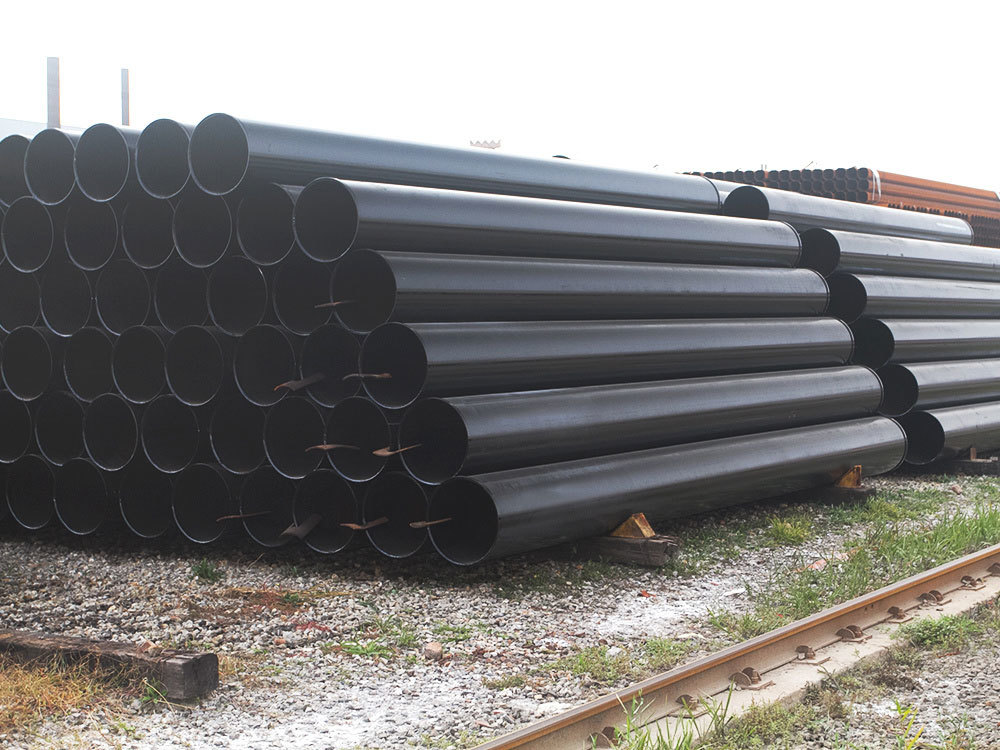
After the steel pipe is produced, we will coat the surface of the steel pipe according to customer requirements, including: black paint, varnish, anti-rust oil, etc. These materials ensure that the steel pipe has a short-term anti-rust effect during transportation.
In order to ensure the traceability of steel pipes, each steel pipe is identified with a unique pipe number or bar code during the production process. After the final coating (when required), according to customer and standard requirements, spray complete marking on the pipe body. During this process, the operator will check and transfer the unique pipe number identification one by one to ensure the traceability of the steel pipe.
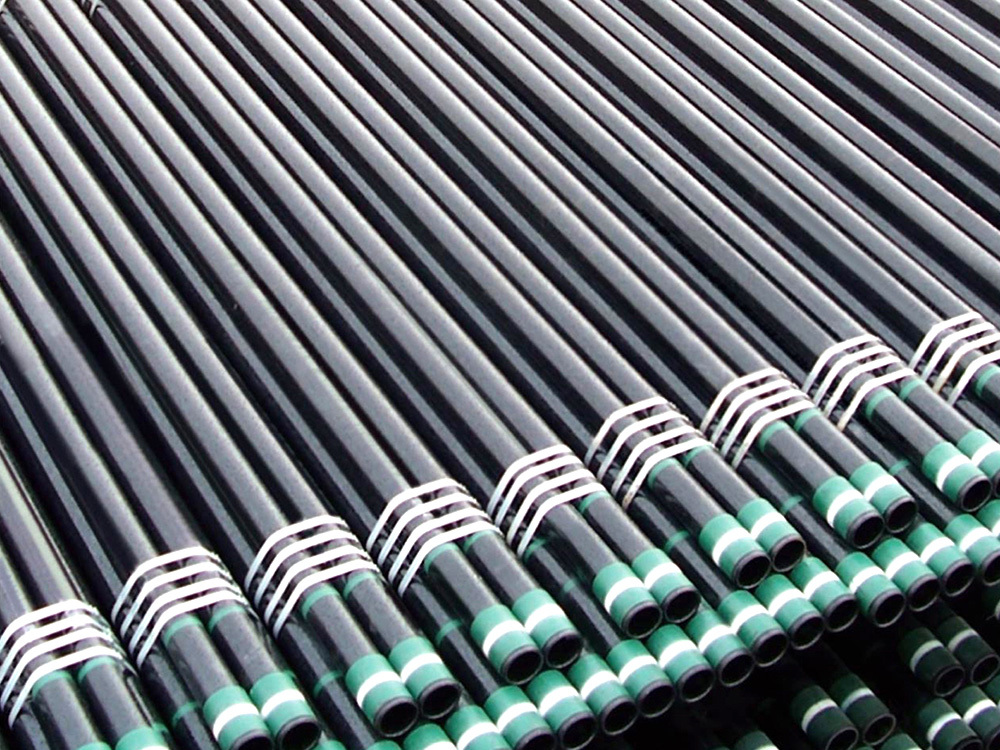
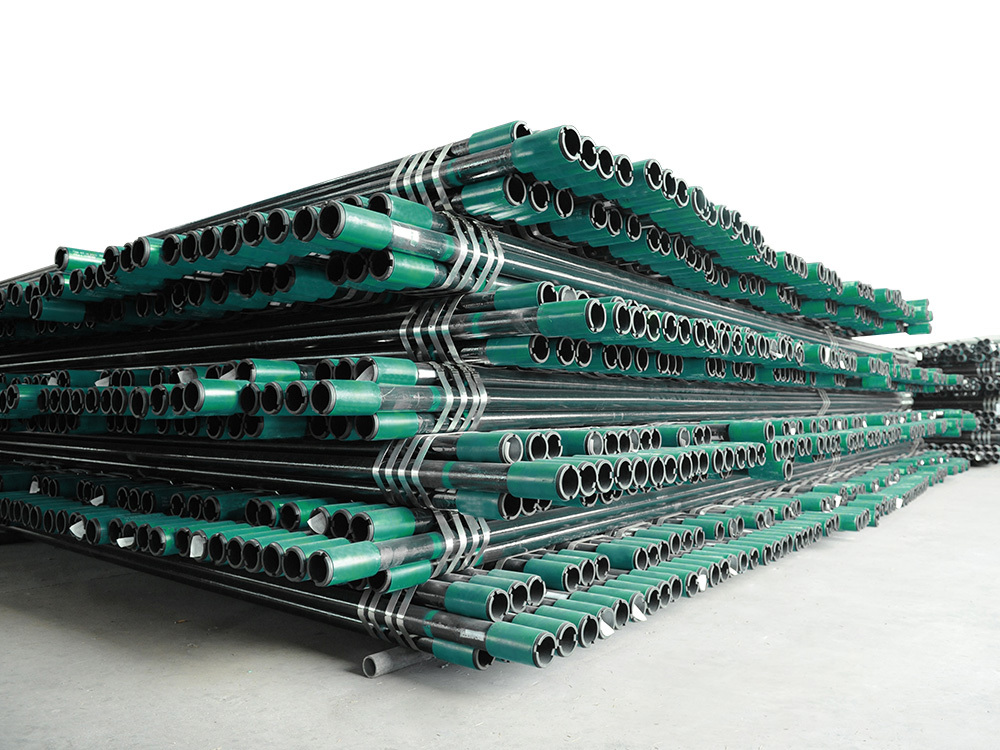
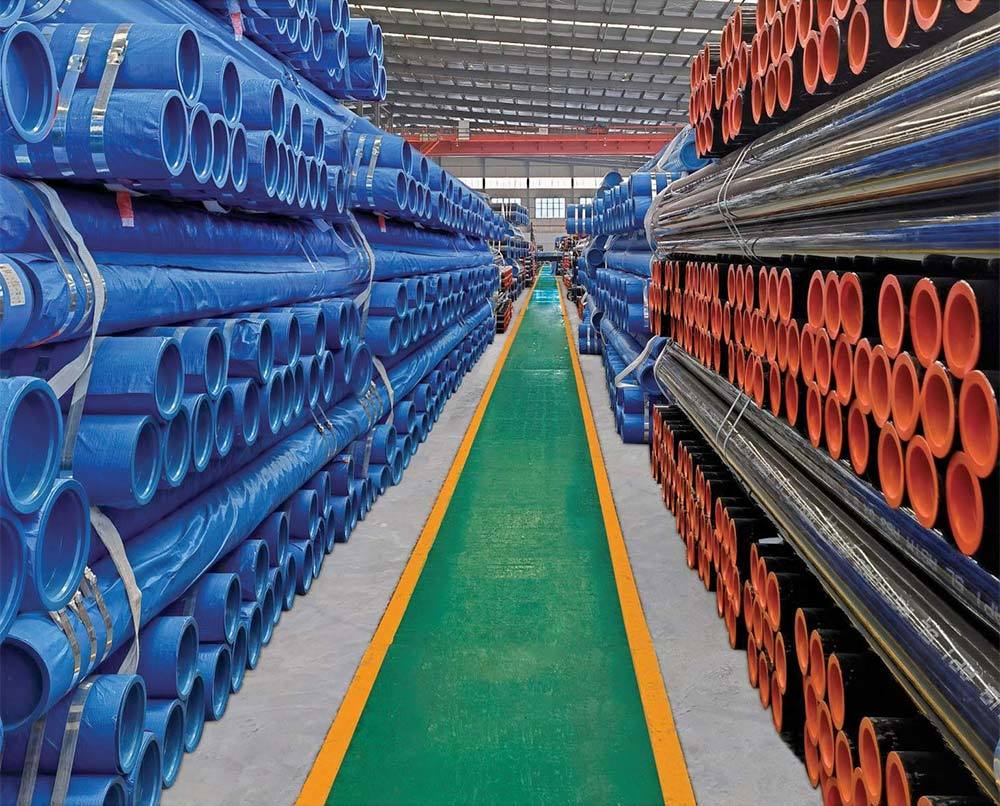
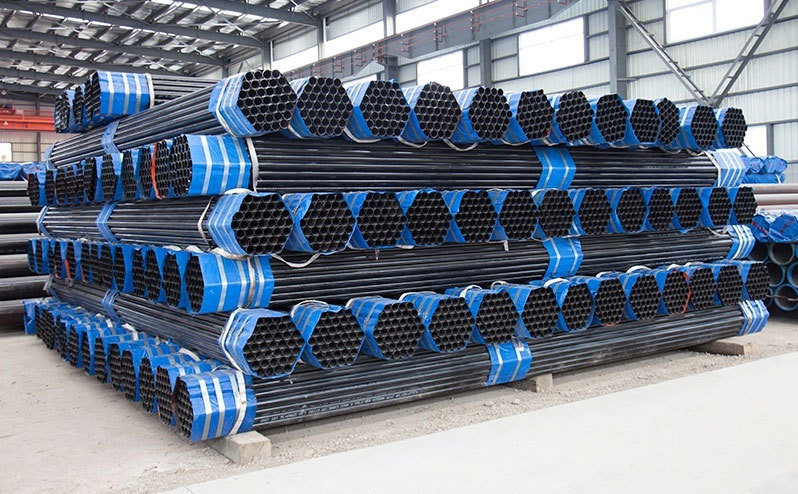
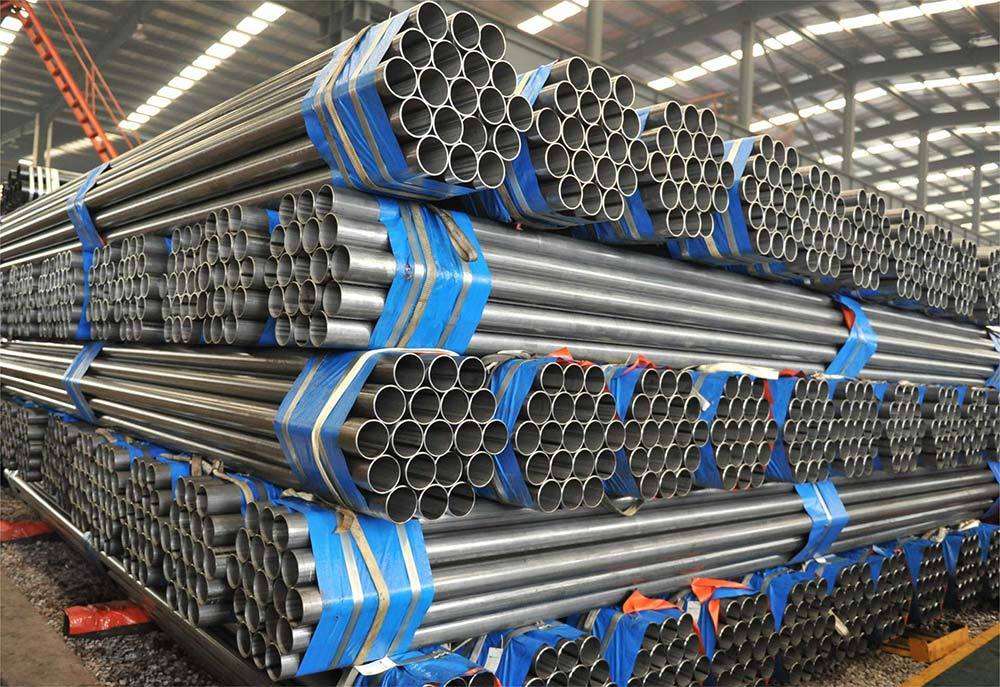
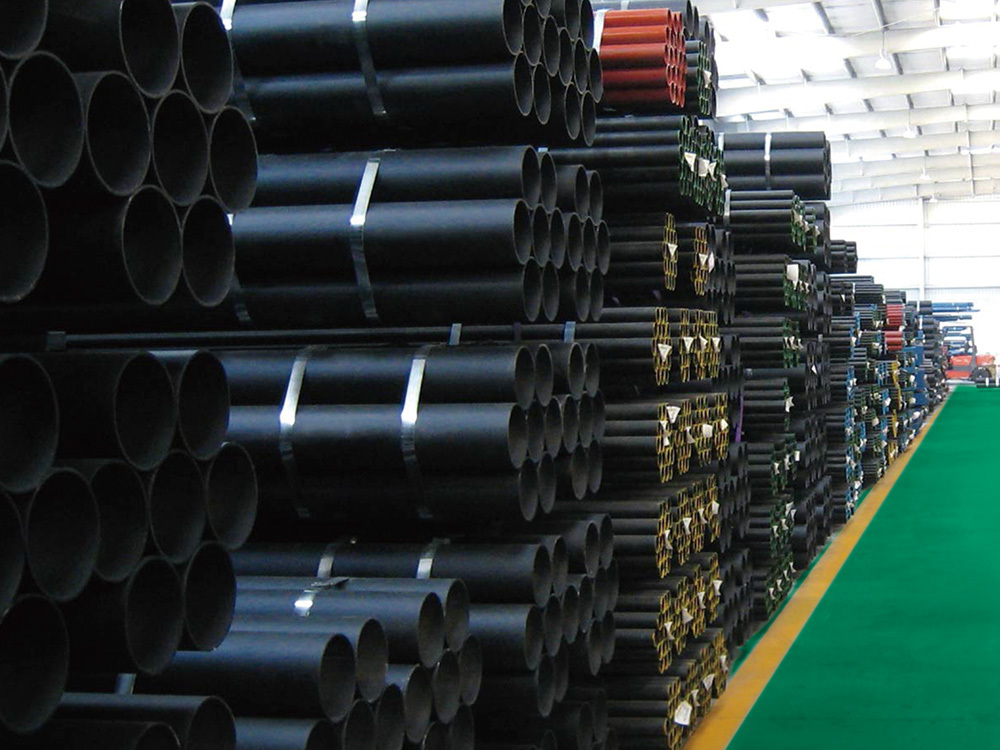
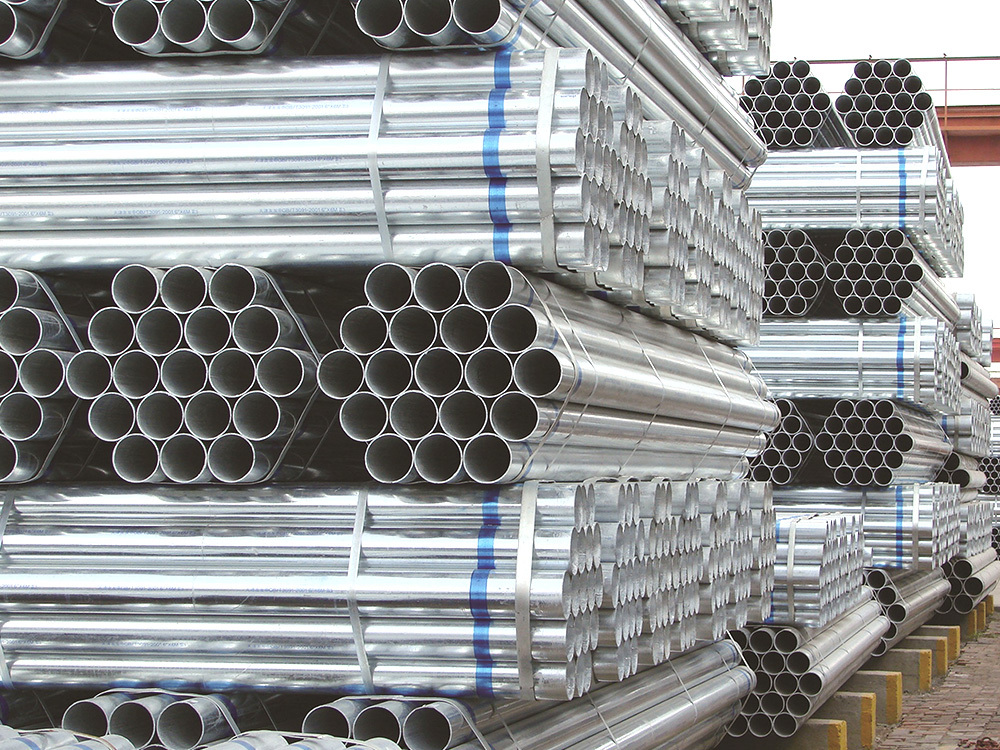
The packaging of the product plays a vital role in the protection of the product in the transportation link, so United Steel Pipe is also very concerned about it. According to the size, coating, processing type, etc. of the steel pipe, Lianzhong steel pipe usually uses pipe cap, PVC cloth, nylon sling, galvanized belt, fumigation wood and other materials to protect the steel pipe. At the same time, our engineers can also customize product packaging design solutions that are more robust, stable and easy to handle according to customer requirements.
Final Inspection
Before the steel pipe is delivered, the full-time technical personnel of Lianzhong steel pipe carry out the final integrity inspection according to the product specification and quality plan requirements, including: production and monitoring and measuring equipment status, personnel, incoming material inspection, process inspection, final product inspection, packaging, spray label and other information to check one by one to ensure that the products meet the customer requirements. After passing the inspection, the quality assurance department of Lianzhong Steel Pipe issues a product quality certificate according to each batch of shipped products.
Product process inspection
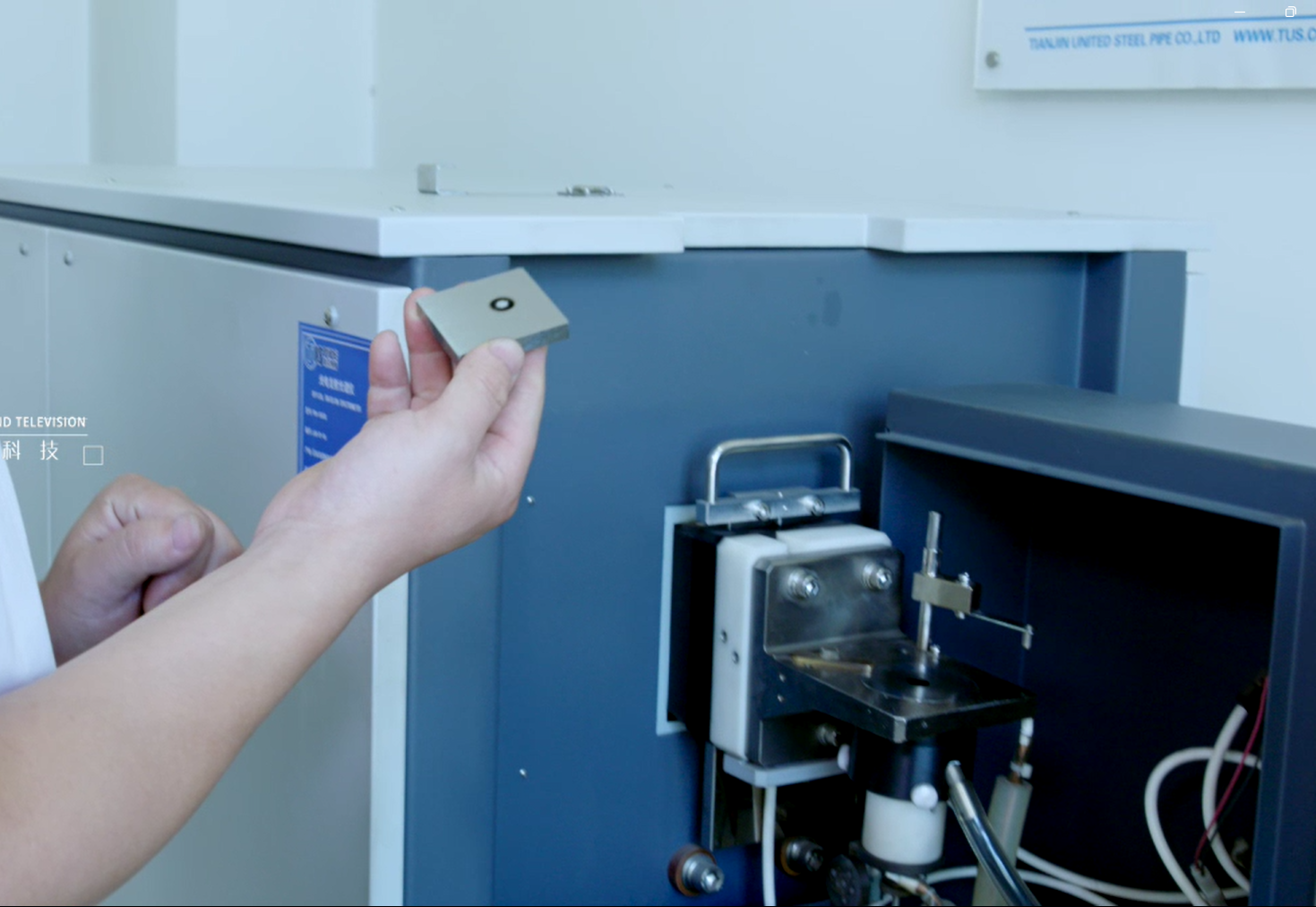
Chemical composition analysis
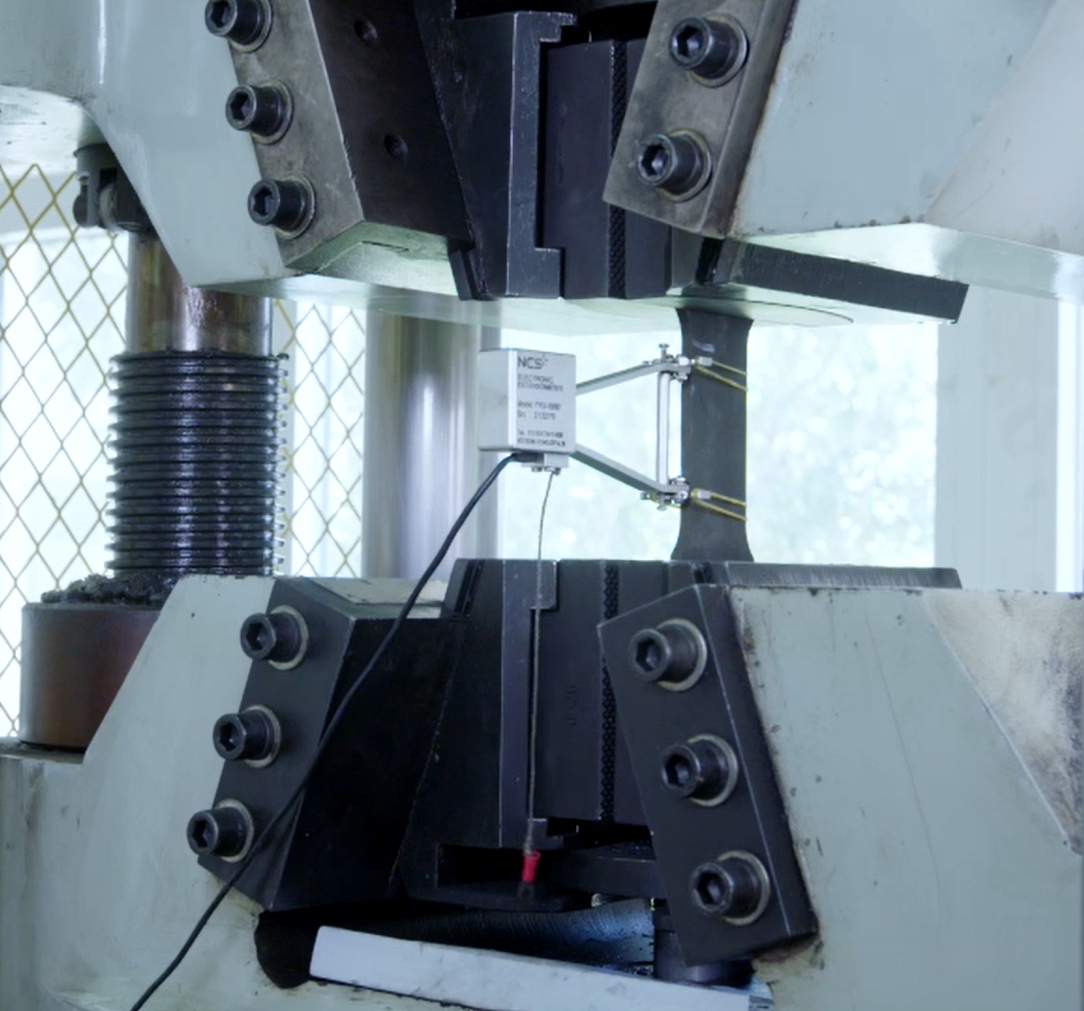
Tensile test
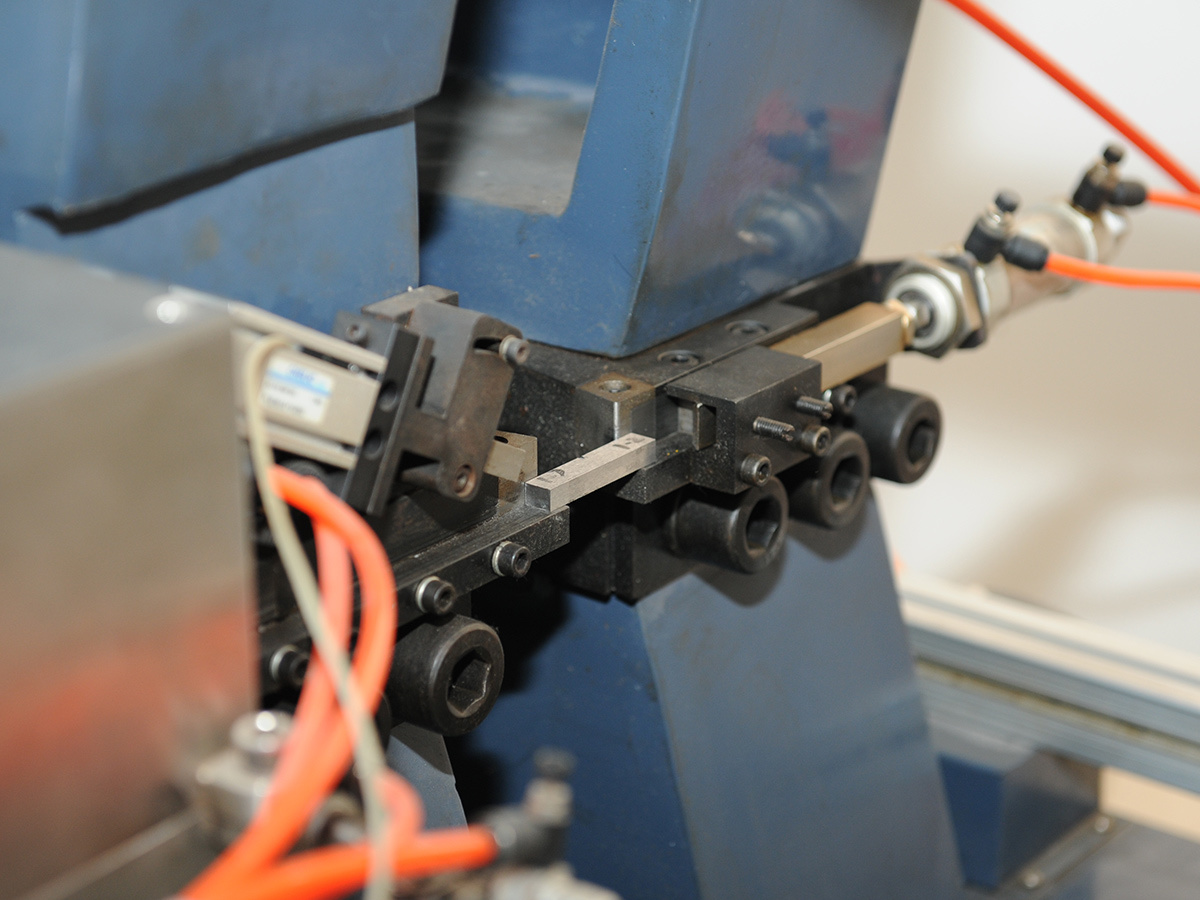
Charpy impact test
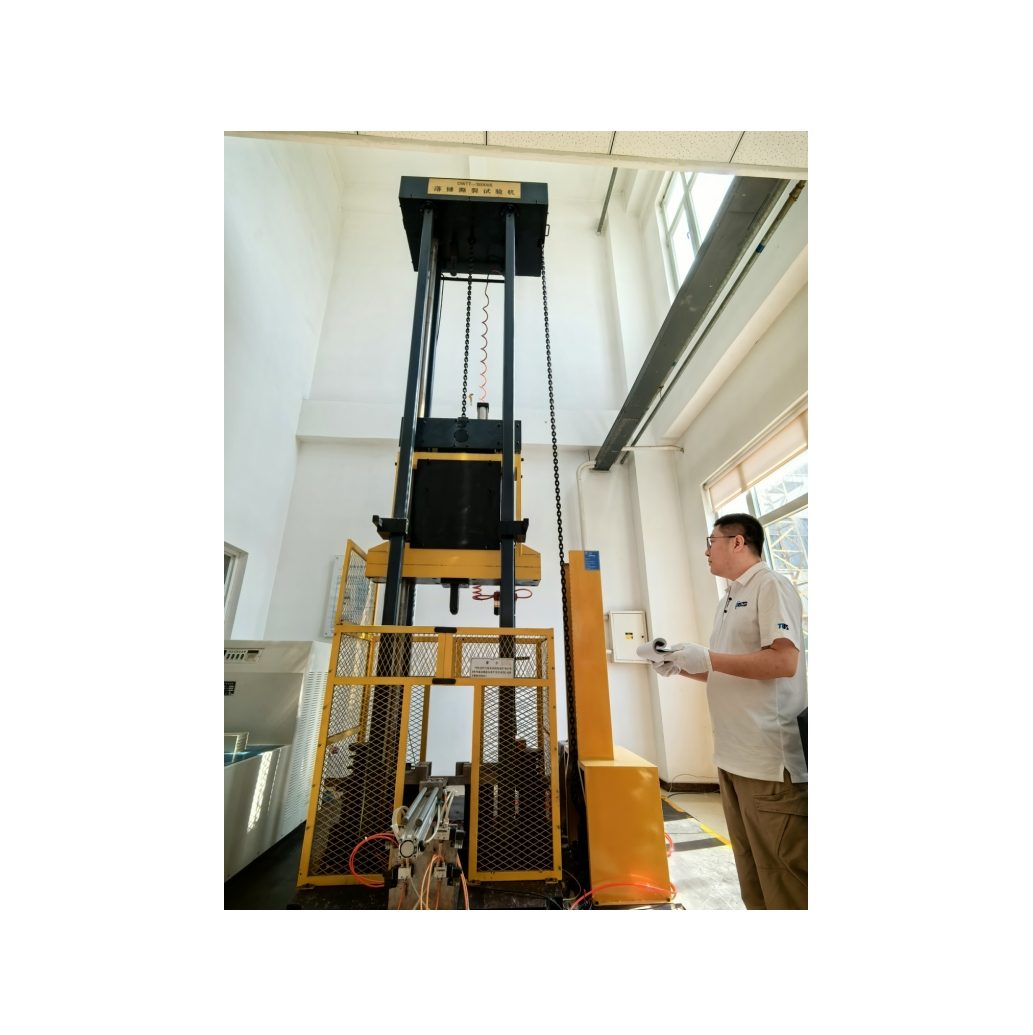
Drop weight tear test
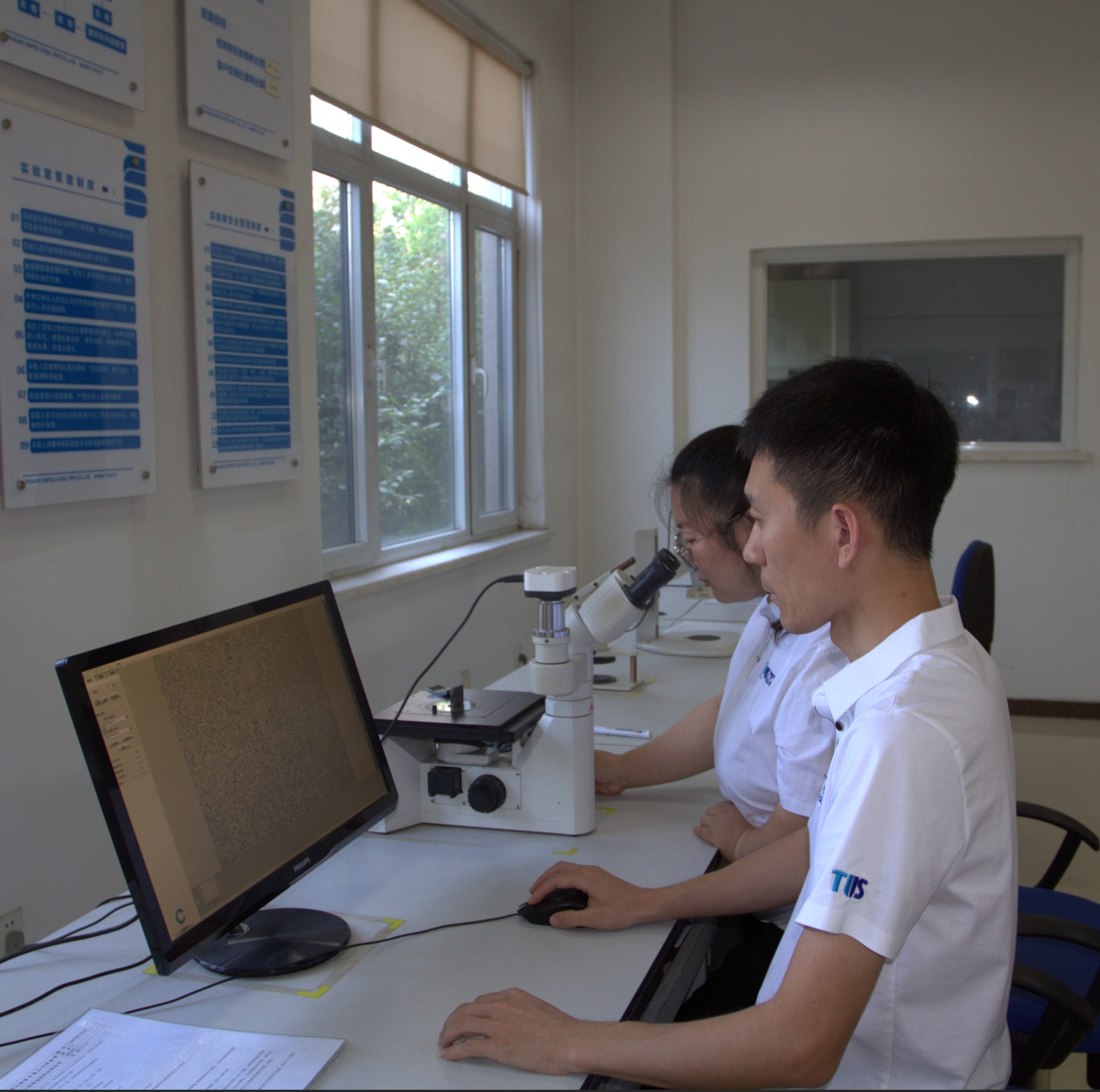
Metallographic test
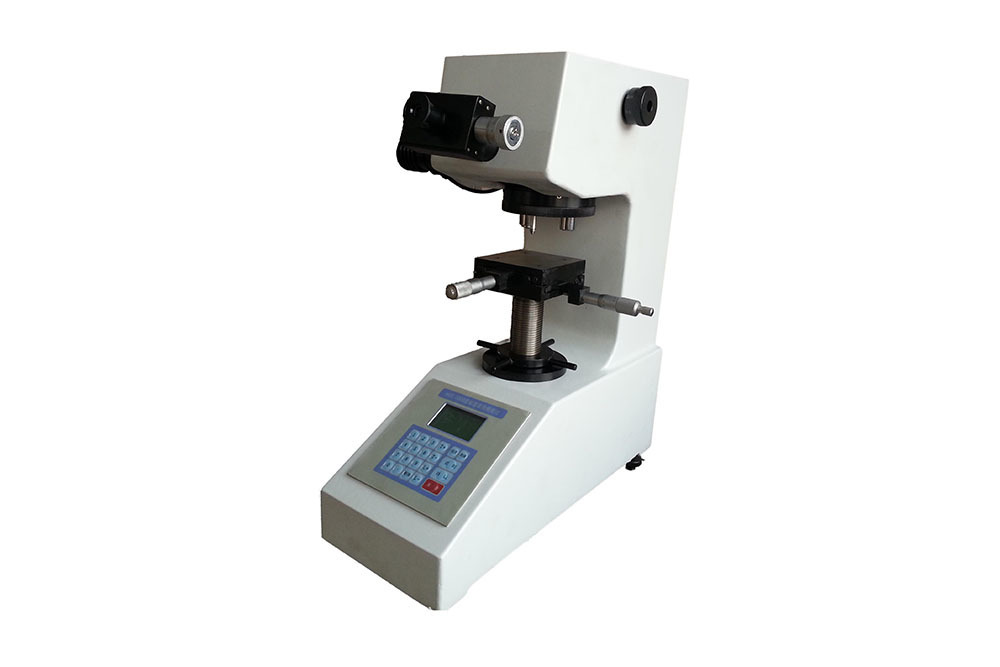
Vickers hardness test
Online consultation
Please be sure to fill in the information accurately and keep the communication open, we will get in touch with you as soon as possible.
Key words:
Steel Pipe

Focus on creating shared value
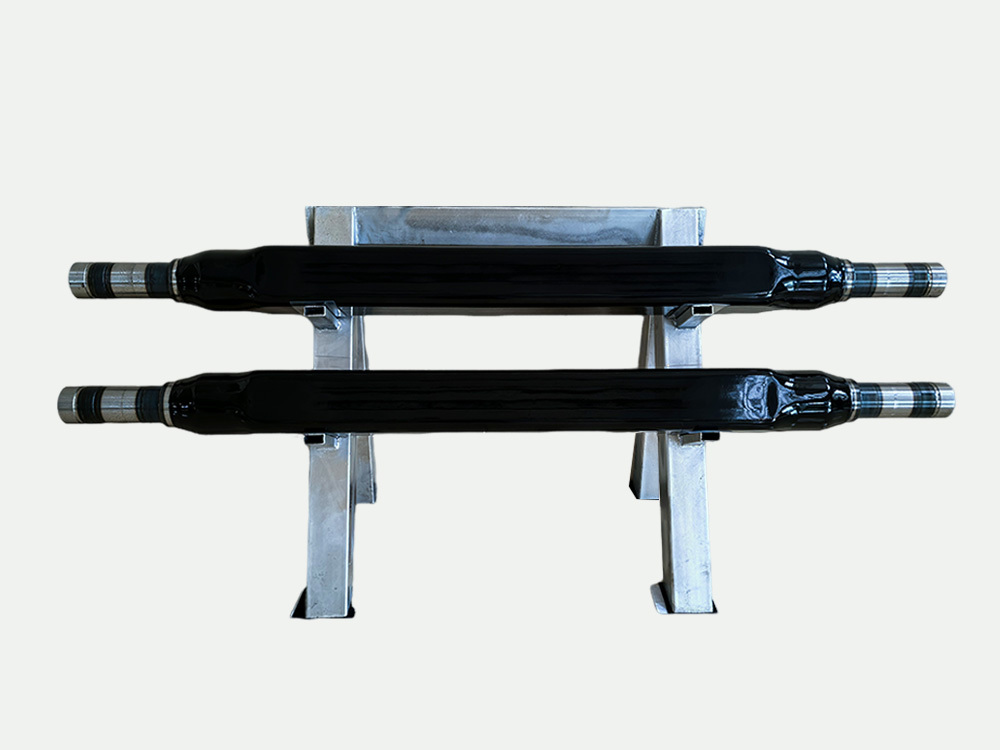
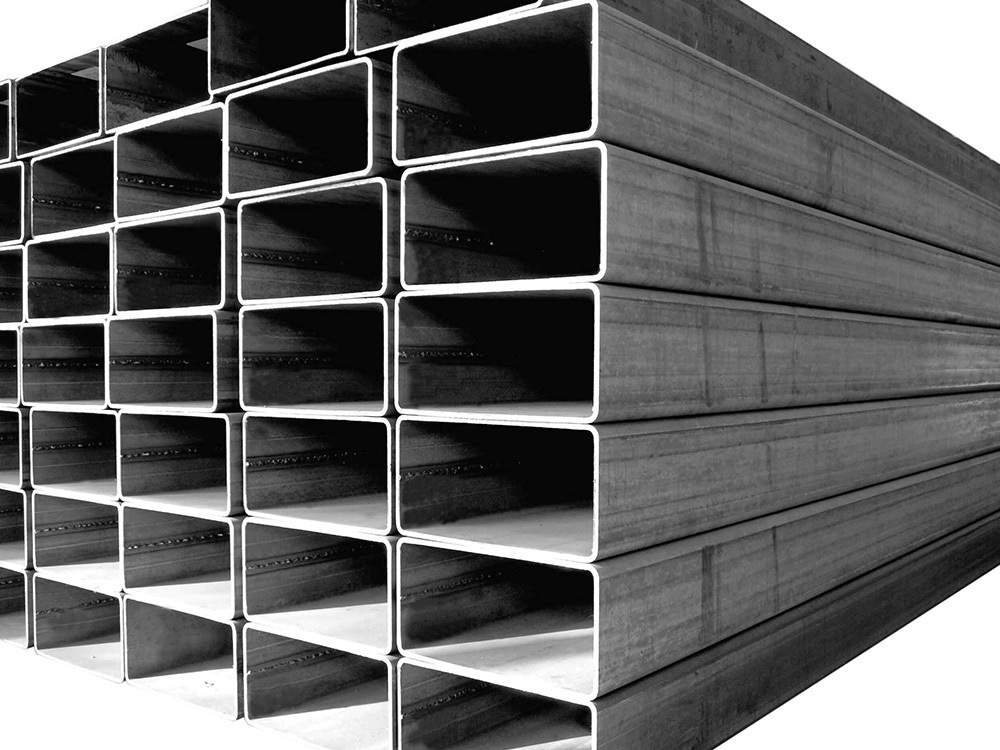
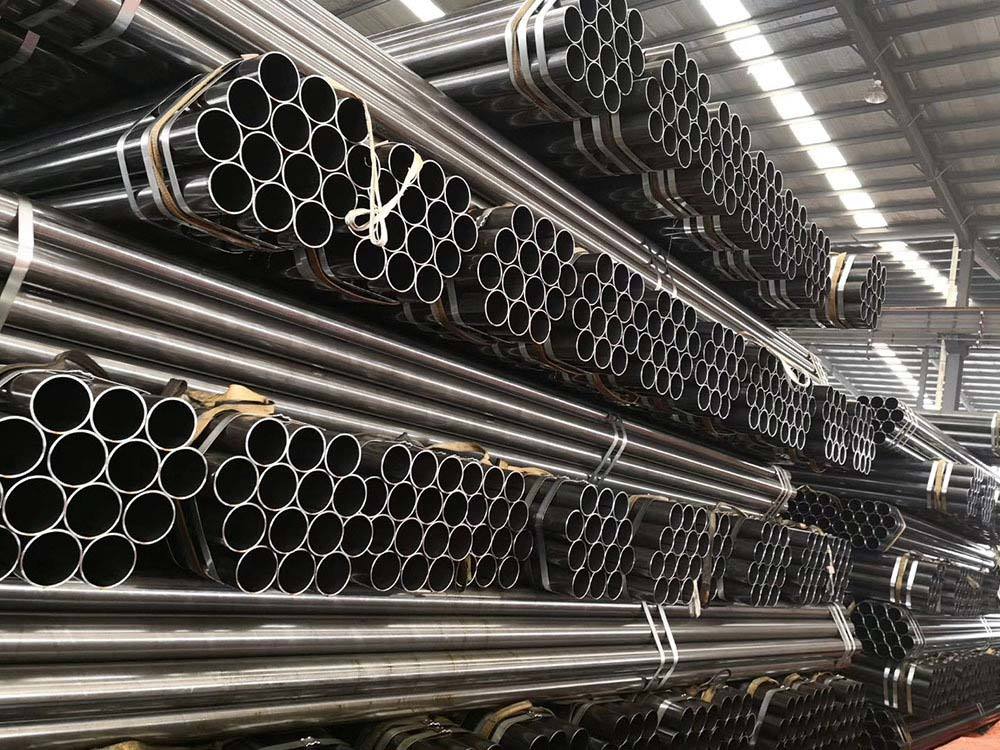
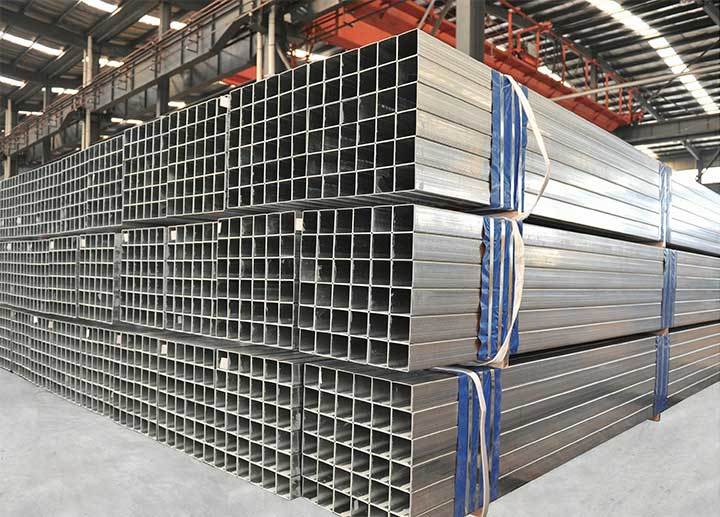
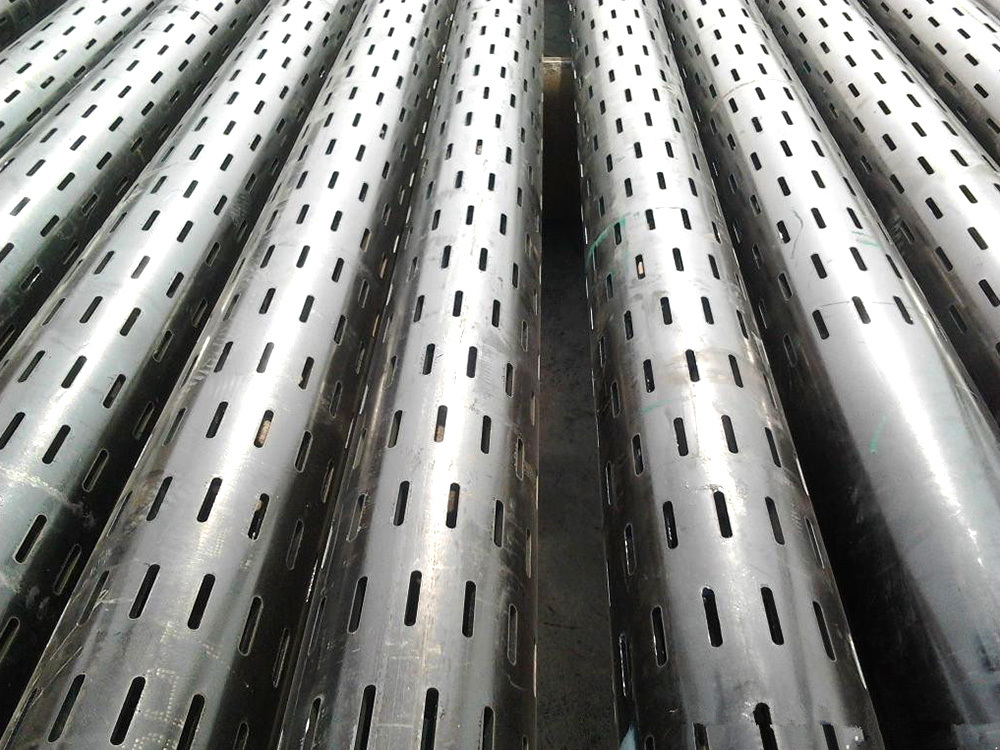
The main products are casing, oil pipe, line pipe, fire pipe, transmission shaft pipe, axle pipe, bus rectangular tube, compressor tube, roller tube, solar torque shaft tube, boiler and heat exchanger steel pipe, slotted pipe, structural pipe and pile pipe, etc.
Contact Us
No.16 Hengtai Road, Industrial Park, Daqiuzhuang Town, Jinghai District, Tianjin
Tiktok